GOSH Charity and LifeArc commit close to £1m for life-saving child health research across UK
31 Mar 2026, 10:37 a.m.
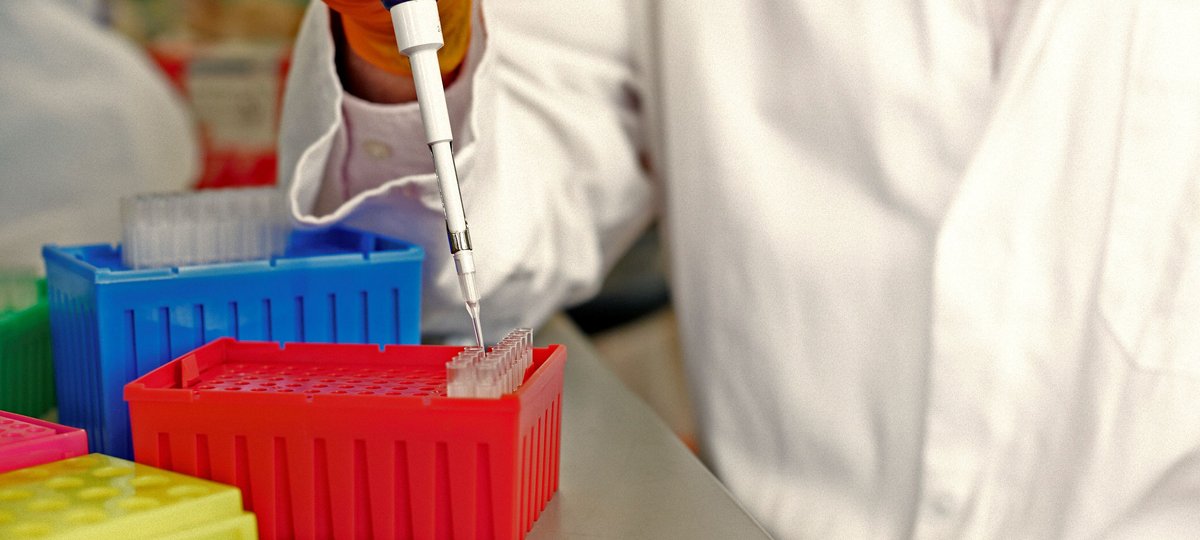
In a world where rare disease research is often overlooked by funders, Great Ormond Street Hospital Charity (GOSH Charity) and self-funded medical research organisation LifeArc have partnered again to support three research projects to develop new therapies for rare childhood diseases.
Committing close to £1m, the Translational Research Accelerator Grants will push forwards the development of safer and more effective therapies for a range of rare childhood diseases, spanning childhood leukaemia to rare brain disorders.
Translational Research Accelerator Grant scheme awarded nationally for the first time
The Translational Research Accelerator Grant scheme has run biannually since 2019. Initially open to researchers from Great Ormond Street Hospital and UCL Great Ormond Street Institute of Child Health (UCL GOS ICH), the 2025 round saw it open nationally for the first time.
Researchers from UCL GOS ICH, King’s College London and the University of Leeds received funding for projects dedicated to improving the study and management of rare paediatric conditions. The three awarded projects are led by:
- Dr Antonis Pouliopoulos from King’s College London: using ultrasound and a specialised drug to develop a non-invasive treatment for a rare aggressive childhood brain tumour.
- Professor Marc Mansour from UCL Great Ormond Street Institute of Child Health: using a newly-identified protein to develop a targeted treatment for T-cell acute lymphoblastic leukaemia.
- Dr James Poulter from University of Leeds: testing a new treatment that targets the faulty gene in a rare developmental brain disorder.
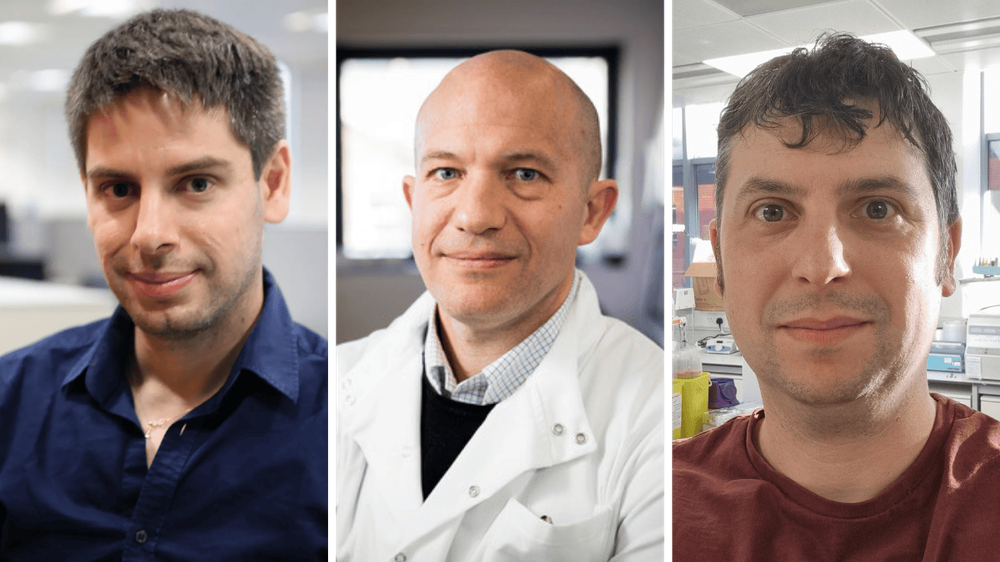
The three recipients of 2025 Translational Research Accelerator Grants. From left to right: Dr Antonis Pouliopoulos, Professor Marc Mansour, Dr James Poulter
Importance of funding rare disease research
Rare disease research often misses out on funding because each disease only affects a small number of people. But collectively, rare diseases affect millions of people across the UK and around the world.
Investing in rare disease research is crucial to better understand these conditions so that new solutions and treatments can be found and lives can be saved.
Many projects supported by the Translational Research Accelerator Grant scheme have gone on to secure further funding to bring their interventions closer to patients. For example, they may license out to a pharmaceutical or biotechnology company to continue developing the treatment or test at a larger scale. They may also begin clinical trials, ensuring the treatment or test is safe and effective in patients.
From bench to bedside: 2019 grant accelerates gene therapy for Wiskott-Aldrich syndrome
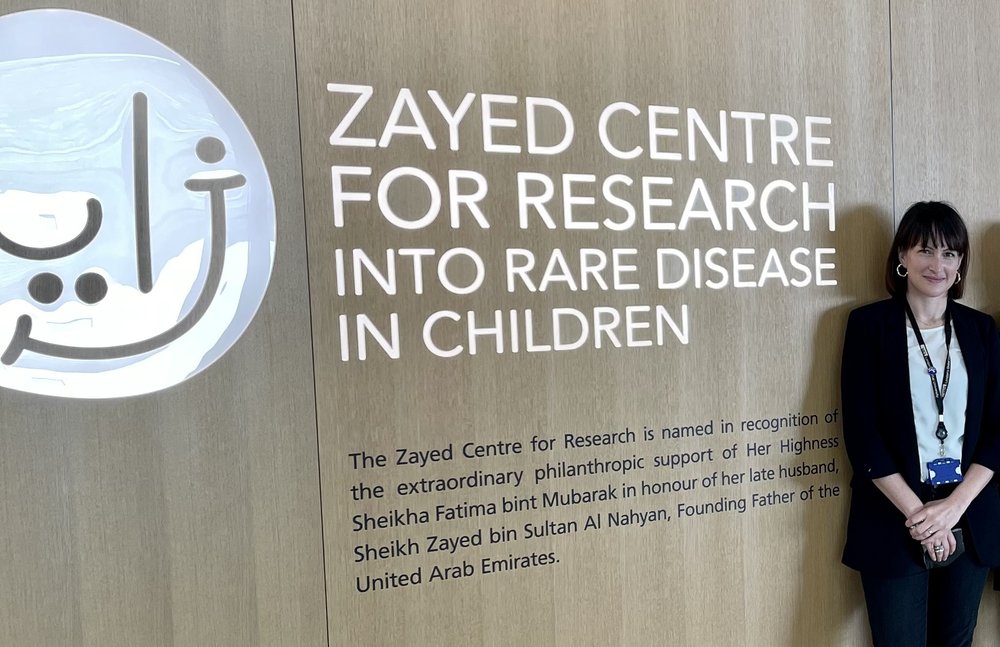
Dr Alessia Cavazza in the Zayed Centre for Research into Rare Disease in Children
Dr Alessia Cavazza, Honorary Associate Professor in Gene Therapy at the UCL Great Ormond Street Institute of Child Health, received a Translational Research Accelerator Grant in 2019 to develop a new gene therapy for Wiskott-Aldrich syndrome.
Wiskott-Aldrich syndrome (WAS) is a life-threatening genetic disorder that weakens the immune system and causes problems with blood clotting, leaving children very vulnerable to infections. The only available treatment is a bone marrow transplant, which replaces the child’s immune system with one from a healthy donor. But finding a suitable donor can be a difficult and lengthy process, and is often a very stressful wait for both the patient and their family. Gene therapy offers new hope.
Dr Alessia Cavazza and her team used CRISPR, a gene editing technique, to precisely target and correct the faulty gene present in children with WAS. Their initial tests to see whether this approach would work to relieve the symptoms for WAS were very promising, and they used these results to successfully apply for a Translational Research Accelerator Grant.
With three years of funding from GOSH Charity and LifeArc, Dr Cavazza’s team performed the required pre-clinical tests to move the therapy from the lab to the patients. This work involved making sure that the therapy could be made in large enough amounts to be able to treat a patient, checking that the patients respond well to the therapy and can be safely treated.
The results from the pre-clinical testing were extremely encouraging, and in 2023 the therapy was licensed out to a biotechnology company to begin clinical trials. Dr Cavazza has also achieved Orphan Drug Designation for this therapy, which means that there will be extra support and a fast-track route available to bring this treatment to children with WAS as soon as possible.
“GOSH Charity and LifeArc’s Translational Research Accelerator Grants were perfect for what we needed to do to build on our initial discovery. I was lucky to get this funding which was fundamental to licence our gene-editing platform, as rare diseases are so often overlooked by funders.”
About the Translational Research Accelerator Grant scheme
The Translational Research Accelerator Grant scheme is a long-standing partnership between GOSH Charity and self-funded medical research organisation LifeArc. The scheme is designed to fund ambitious projects that will improve the study and management of rare paediatric conditions, taking discoveries made in the lab and developing them into practical tools such as new therapies or diagnostic tests. This scheme forms part of our 5-year £70m research strategy.