GOSH Charity funds treatment for ‘incurable’ leukaemia
9 Dec 2025, 7:30 a.m.
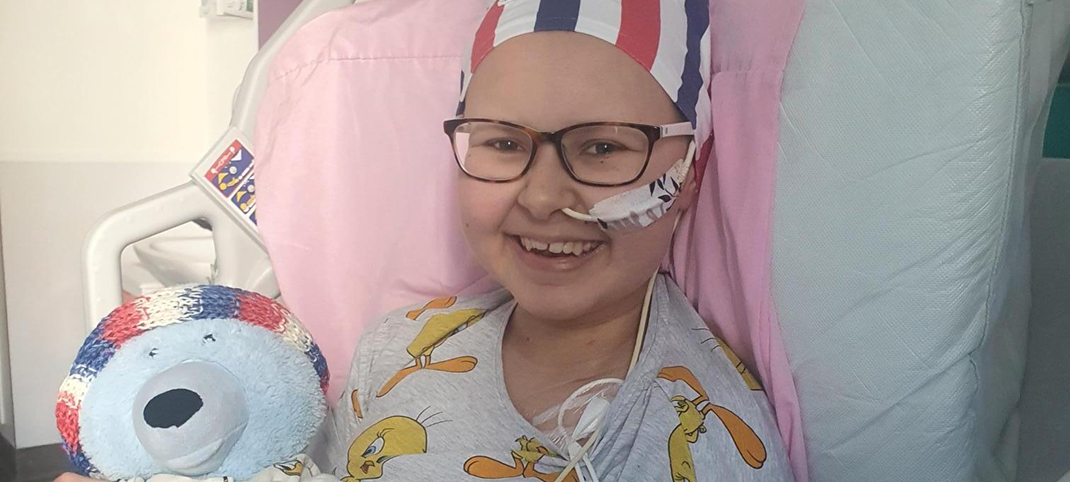
A groundbreaking new treatment using gene-edited immune cells, developed by scientists at Great Ormond Street Hospital (GOSH) and University College London (UCL), has shown promising results in helping children and adults fight a rare and aggressive form of blood cancer called T-cell acute lymphoblastic leukaemia (T-ALL).
Since 2022, nine children and two adults have received this pioneering new treatment through a clinical trial – and now GOSH Charity has committed to funding an extension of this trial for a further 10 children with relapsed and drug-resistant T-ALL.
New funding from GOSH Charity
With £2.3 million of funding, GOSH Charity is supporting the extension of this innovative trial – giving more children and young people access to this life-changing treatment.
Recruiting an additional 10 patients to the trial will also provide researchers with the opportunity to capture further data about the long-term safety and effectiveness of the treatment.
Aoife Regan, Director of Impact and Charitable Programmes at GOSH Charity says:
“Alongside our ongoing appeal to build a new world-leading Children's Cancer Centre at GOSH, this funding aligns with our cancer research strategy. This strategy sees a minimum of £15 million dedicated to transforming the outcomes and experiences of children with the rarest and hardest to treat cancers.
“At GOSH Charity, we are dedicated to giving seriously ill children the best chance, and the best childhood, possible.”
Clinical trial delivers new treatment
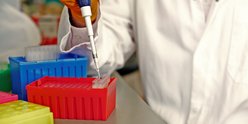
For this trial, the team developed ‘universal’ CAR T-cells using white blood cells from healthy donors and genetically edited them to find and attack cancer cells in patients with T-cell leukaemia. The groundbreaking new treatment uses an advanced gene-editing technique known as base-editing, which allows precise changes to be made in single letters of DNA code.
Patients treated on this trial have exhausted all conventional therapies, where their T-cell leukaemia either did not respond to treatments or relapsed. Through this clinical trial, over 80% of patients did not have any detectable leukaemia after treatment. Around two thirds of patients remain disease-free today, with the first patients now three years disease-free and off treatment.
Waseem Qasim, Professor of Cell and Gene Therapy at UCL and Honorary Consultant Immunologist at GOSH, who led the research, says: “We’ve shown that ‘off the shelf’ base-edited CAR T-cells can seek and destroy very resistant cases of leukaemia.
“Many teams were involved across the hospital, and everyone is delighted for patients clearing their disease, but at the same time, deeply mindful that outcomes were not as hoped in a minority of cases. These are intense and difficult treatments - patients and families have been generous in recognising the importance of learning as much as possible from each experience.”
Life since the trial: Alyssa’s story
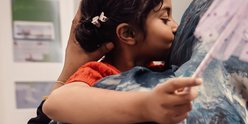
Sixteen-year-old Alyssa from Leicester was the first patient on this clinical trial, and the first person in the world to receive a base-edited cell therapy.
She was diagnosed with T-cell leukaemia in May 2021, after a long period of what the family thought were colds, viruses and general tiredness. She did not respond to standard therapies – chemotherapy and a bone marrow transplant – and she was discussing the option of palliative care when this clinical trial was proposed.
Alyssa first shared her story in 2022, when she was 13. At the time, she was cautiously optimistic with her leukaemia undetectable following treatment on the trial, but was under close monitoring.
Fast forward three years and she’s now been discharged to long-term follow up and is throwing herself into life with her friends.
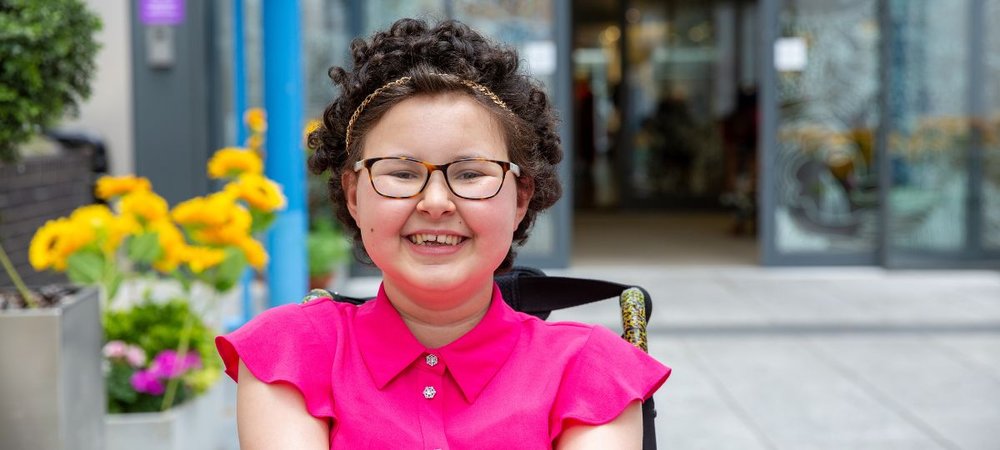
“I chose to take part in the research as I felt that, even if it didn’t work for me, it could help others,” Alyssa says. “Years later, we know it worked and I’m doing really well. I’ve done all those things that you’re supposed to do when you’re a teenager.
“I’ve gone sailing, spent time away from home doing my Duke of Edinburgh Award but even just going to school is something I dreamed of when I was ill. I’m not taking anything for granted. Next on my list is learning to drive, but my ultimate goal is to become a research scientist and be part of the next big discovery that can help people like me.”
Additional information
This clinical trial was sponsored by GOSH and supported by the Medical Research Council, Wellcome Trust, and the National Institute for Health and Care Research, for patients eligible for NHS care in the UK. The trial extension is supported by GOSH Charity.
The CAR T-cells for this trial were manufactured as part of a long-standing research programme led by Professor Waseem Qasim. The team is based at the Zayed Centre for Research into Rare Disease in Children, a partnership between GOSH and UCL Great Ormond Street Institute of Child Health.
The research team wish to thank Anthony Nolan and their volunteer blood and stem cell donors, and the patients and their families for participating in the research.
Any patients eligible to receive treatment under the NHS and interested in this trial should approach their specialist healthcare provider.