
Research reveals how aggressive childhood brain tumours spread through the brain
10 Jul 2026, 11:13 a.m.
Researchers have uncovered how one of the most aggressive childhood brain tumours grows and spreads through the brain, opening up promising new opportunities for future treatments.
The international study, published in Nature, focused on diffuse midline glioma (DMG), a devastating childhood brain tumour with very limited treatment options. By looking at tumour samples from children alongside advanced laboratory models, the research team discovered that DMG cells appear to hijack the brain's normal communication networks, allowing them to spread and grow more effectively.
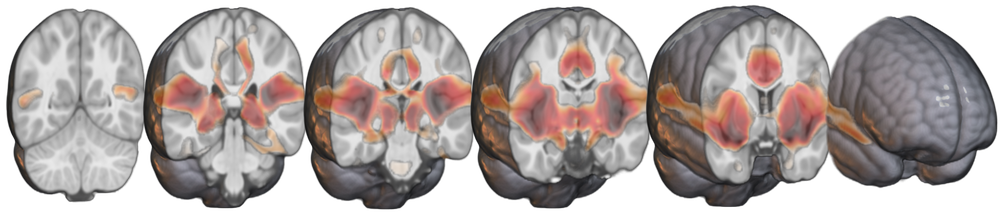
A map of the DMG network (red) across multiple brain regions
What is DMG?
Children diagnosed with diffuse midline glioma (DMG) face one of the toughest prognoses in childhood cancer. The tumour grows in parts of the brain that control essential functions such as breathing and movement, making surgery impossible. Despite decades of research, treatment options have changed very little, and most children survive for less than a year after diagnosis.
How can this research help?
This research, led by Professor Darren Hargrave, Professor of Paediatric Neuro-Oncology at Great Ormond Street Hospital (GOSH) and UCL Great Ormond Street Institute of Child Health, reveals that DMG doesn't simply grow where it starts. Instead, the tumour appears to take advantage of the brain's own wiring, using the connections between healthy brain cells to help it spread and become more aggressive.
This is an important shift in scientists' understanding of the disease. Rather than looking only at the tumour itself, researchers are beginning to understand that the surrounding brain also plays a role in how the cancer behaves. That knowledge could open up entirely new ways of slowing the disease by disrupting the signals the tumour relies on.
Although these findings won't lead to new treatments overnight, they provide researchers with a promising new direction to explore.
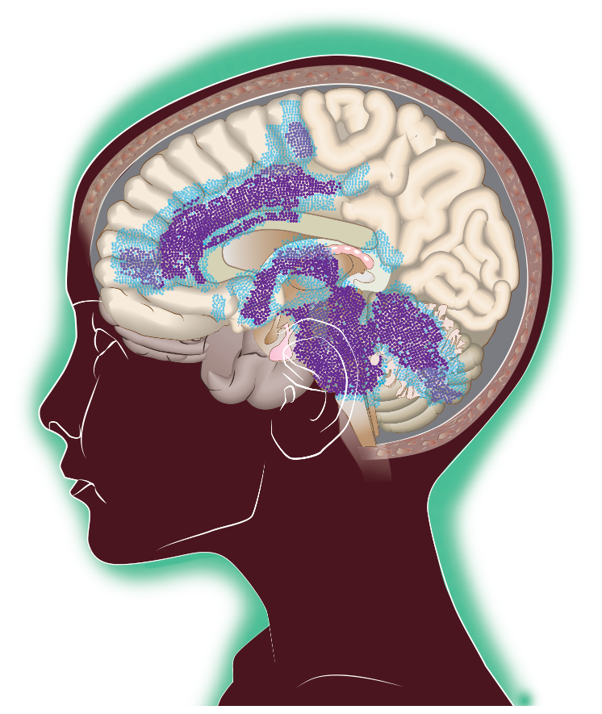
Illustration to show the widespread network of highly connected brain regions identified by the researchers as being involved in DMG
Investing in the next breakthrough
This research study was funded by Cancer Research UK (CRUK) and the Olivia Hodson Cancer Fund, with GOSH Charity supporting Professor Darren Hargrave's professorship. Our investment enables Professor Hargrave to lead pioneering research that aims to improve outcomes for children with brain tumours.
Research breakthroughs rarely happen in a single step. They are built over years of careful investigation, with each discovery laying the foundations for the next. Thanks to the generosity of our supporters, GOSH Charity can continue backing researchers like Professor Hargrave as research moves from understanding disease towards developing better treatments for children.
Building on the findings from this study, GOSH Charity will fund the next stage of this work through a National Research Project Grant recently awarded to Professor Hargrave. The new project will investigate how these discoveries can be translated into new treatment approaches for children with diffuse hemispheric glioma – a closely related type of aggressive brain tumour that develops in a different part of the brain.
Giving seriously ill children the best chance
GOSH Charity's £70 million 5-year research strategy supports pioneering research to tackle some of the biggest challenges in paediatric rare disease. By investing in world-leading researchers and bold new ideas, we're helping to accelerate discoveries that could transform the lives of seriously ill children, giving them the best chance, and best childhood possible.