Highlights from first National Paediatric Translational Research Conference
6 Nov 2026, 10:46 a.m.
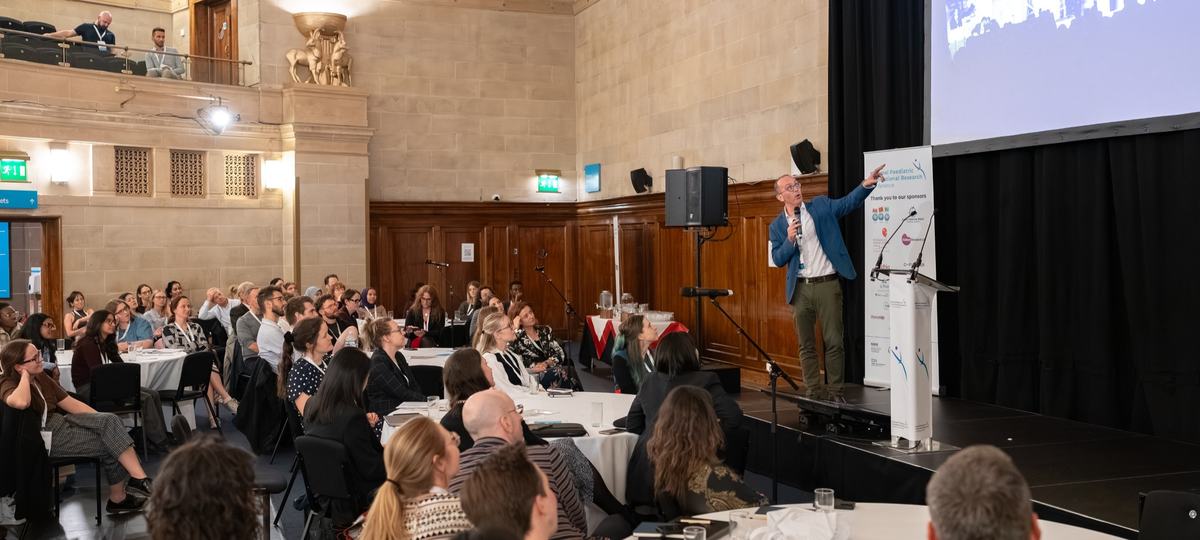
Great Ormond Street Hospital Charity (GOSH Charity) and the NIHR Great Ormond Street Hospital Biomedical Research Centre (NIHR GOSH BRC) were excited to bring together child health researchers from across the UK for the first National Paediatric Translational Research Conference last month.
Held over 15th and 16th October 2026 at Sheffield City Hall, the conference explored the latest developments in child health research and how scientific discoveries can be translated into better diagnoses and treatments for children and young people.
Doris, Grant Communications Officer at GOSH Charity, provides a recap of the two-day conference.
Showcasing emerging child health research
The programme showcased science and technologies shaping the future of child health across four key themes:
- Using data, devices and artificial intelligence (AI) to improve diagnoses and prediction of outcomes for rare child health conditions.
- Exploring how genomics (the study of our genetic information) and other advanced technologies can improve the understanding, diagnosis and treatment of rare and complex diseases.
- Developing advanced therapies for a range of rare and complex paediatric conditions.
- Understanding how researchers can ensure safety and effectiveness when developing therapies for children and young people.
The event was a prime opportunity for established healthcare figures and up-and-coming researchers in the UK to explore and exchange ideas about improving the lives of children and young people through research and innovation.
Perspectives from national child health research experts
The conference featured keynote presentations from national experts in child health research, with the first day dedicated to early career researchers.
Professor Sir Terence Stephenson, Nuffield Professor of Child Health at UCL Great Ormond Street Institute of Child Health, opened the afternoon with an inspiring talk about his career as a leading clinician scientist. While Professor Dan Perry, NIHR Research Professor and Consultant Paediatric Orthopaedic Surgeon at Alder Hey Children’s Hospital, spoke candidly about his unconventional journey into research from the orthopaedic surgery theatre. Filled with personal anecdotes, both keynote speeches left emerging researchers with words of advice to take onboard as they pursue their own careers.
The second day of the event welcomed the wider paediatric translational research community. Professor Lucy Chappell, Chief Scientific Adviser to the Department of Health and Social Care and Chief Executive Officer for the National Institute for Health and Care Research (NIHR), set the tone for the day. She reflected on her roles, and particularly on her position at the NIHR, to open a discussion on how researchers, funders and partners can continue delivering and supporting rare paediatric disease research.
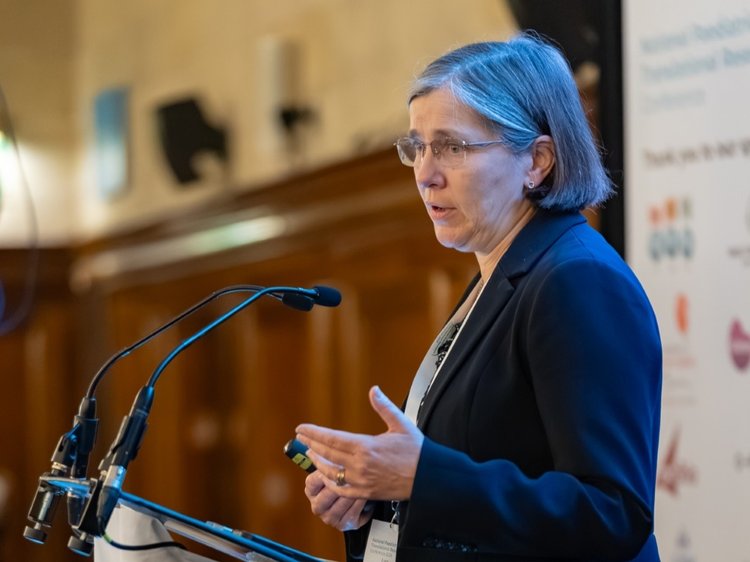
Professor Lucy Chappell
Supporting early career researchers
A major focus of the conference was to showcase new and emerging research in rare and complex diseases. Researchers presented their work in a poster exhibition, creating valuable opportunities for discussion and collaboration.
Six early career researchers were also invited to present their projects in an abstract competition. A big congratulations to winner Dr Rebecca Womersley from Imperial College London. Her project is looking at how to more accurately classify and diagnose bacterial infections in children with fever by examining genetic biomarkers using machine learning tools.
It was great to see so many early career researchers in attendance, sharing ideas and connecting with one another as the next generation of leaders shaping the future of child health research.
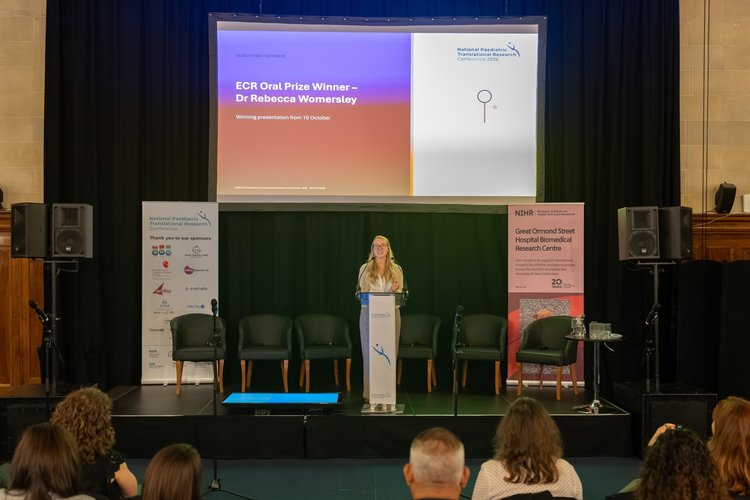
Dr Rebecca Womersley delivers the winning presentation
Collaborations drive research forward
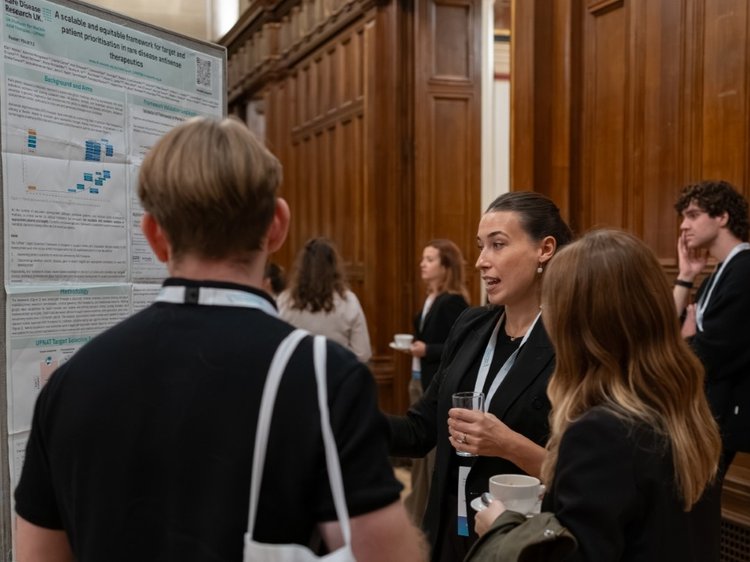
Discussions at the poster exhibition
The core message reinforced throughout the programme was the importance of building connections to drive innovations in paediatric research. Insightful discussions encouraged researchers, clinicians and partners to learn from each other, sparking new ideas and future collaborations to tackle some of the biggest challenges in child health research.
The conference highlighted the importance of investing in child health research and creating environments where researchers can thrive. As the UK’s largest funder of research dedicated to child health, GOSH Charity is committed to supporting paediatric researchers to deliver breakthroughs that could transform the lives of seriously ill children and young people. We left Sheffield inspired by what can be achieved when talented, driven minds come together in one room, working together to give patients and families more answers, better options and hope of the best chance and the best childhood possible.